I drive a 2017 Chevy Volt and I love it. Now 9+ years old and pretty reliable.
But Chevy in their infinite wisdom stopped making them in 2019. The Volt never sold in huge numbers and I’m worried parts availability will be a problem. But I generally keep cars forever so we’ll see.
As others have pointed out parts availability is dictated by Demand.
A high production vehicle, using parts that are shared among other vehicles and is a vehicle that is still desirable will have the most repair parts available, probably from 3rd party manufacturers. Examples are VW Beetles, Mustangs, Camaros and many Pickups.
However, most modern cars have plastic, rubber, vinyl nylon and electrical components that simply deteriorate from age resulting in the need for constant replacement and the lack of reliability.
My experience has been that even with good maintenance and regardless of mileage, after 20 years all these components will begin to fail and without a complete restoration the vehicle will be unreliable.
Expect it to fail in the next couple of years. I’ve replaced the same part on my cars, and the new one was very flexible. Before replacement, I had to remove the duct from the air box cover to inspect the engine air filter. Afterwards, I could just bend the cove back while attached to the duct. I imagine that your replacement duct lacks flexibility, especially if it’s an OE part.
The answer is the same one the late Bob Dole gave when he was asked “boxers or briefs?” And he answered “depends”. Until I gave up driving over a year ago my daily driver at that time was a 62 Cadillac. I’ll admit that sourcing parts could be challenging, but I have a machine shop and a 3D printer, and im very stubborn, so almost nothing was undoable. I’m now quite elderly and not in good health so I can’t do routine auto maintenance like I used to. My wife leases a Hyundai for 3 years, so the car always has a bumper to bumper warranty. The only maintenance needed is routine oil changes. If you can afford the payments, it’s the only way to go.
Ha!! I already did that from the firewall back on my 23…Head lights are still halogen and the front turns and side markerd are still regular old incandescent, however at some point the front incans will be upgraded to LED’s, just not right now, they fog lights were LED’s when I bought the truck… I bought a kit online for the interior and tag lights, and a separate kit (VTAILS) for all the tail, turn, brake and reverse lights with much needed enhanced features…
He might be talking about the LEDs used as backlights or indicators for example. If the LEDs in the dash cluster start failing and that cluster is not available anymore, then repair will be needed.
That being said, while there will always be outliers, LEDs typically have lifetime specifications in the 50k hour range, when driven within advertised power specifications. The harder they are driven, the lower the lifespan. But let’s say the lifetime is derated to even 50% with a car being driven on average 2 hours per day. That’s a 34 year lifespan. Many cars will meet the crusher before those LEDs start failing. Of course there will be outliers but perhaps not enough to support a cottage industry repairing them.
External lighting, like headlamps could be an exception. Those are driven very hard and often in super customized configurations. There, disassembling heat sealed plastic enclosures, removing lensing and other parts may prove the limiting factor to repair. They aren’t designed to be repaired for the most part.
An example shown below: the speedometer and tachometer needle LED lighting has failed making it very difficult to read the vehicle speed. Refurbished instrument clusters are available from the repair centers used by car dealers.
2006 - 2012 Lexus IS350 cluster shown below.
With 25 to 50 LED lights inside modern vehicles there is the possibility of failure but not enough for the average vehicle owner to worry about. If the lighting in a window switch fails, a new or used window switch is usually available.
At least replacing LED bulbs is a possibility with this type of dash. New cars seem to be moving toward digital displays. It will be interesting to see what solutions will be available in the future for people with an otherwise good running 20 year old car, that has a failed digital display.
Most people don’t perform their own circuit board repairs, so a digital LED display will get repaired/replaced using the same method as instrument cluster LED repairs: send it to a repair specialist. Vehicle navigation displays were introduced in 1998; vehicle audio/video specialists have been repairing digital displays for a long time.
I was thinking about led brake lights, turn signals etc. But dashboard leds work also. Had to replace bulbs and stepper motors on my old car dash. Looking at partnering up with trusted mechanic for removal and replacement so I can make repairs to failed parts. Just so you know I am a fiber optic certified with cat 6 and everything under the sun including piezo speakers, $18 each for schoendstats that would be $350 if sent to the company for repairs.
I am assuming the LEDs are soldered to the circuit board in these dash clusters? The older ones with incandescent bulbs have a black plastic socket that you turn to remove and then you can replace the bulb.
I guess that depends if the cluster is “paired” to the vehicle by programming it with the VIN, and if a different cluster will work properly, even if it can’t be reprogrammed. It also depends if the odometer mileage is stored in the cluster or if it comes from the BCM.
Yep, it’s much better. My last four cars were sold after 14, 18, 15, and 13 years, and were in perfect shape when sold. Much better than would have happened back then.
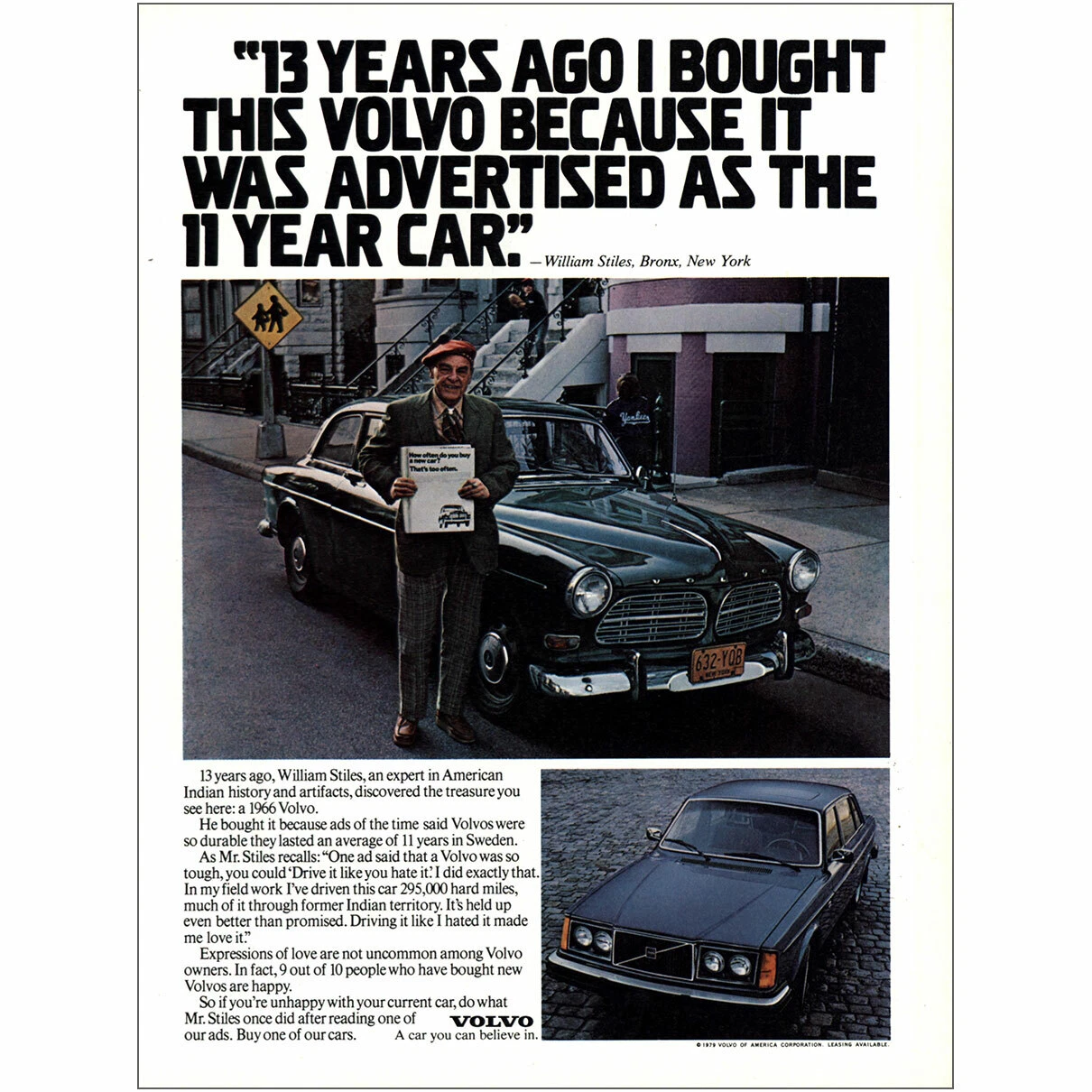
My 1974 Volvo–purchased new and maintained better than the manufacturer specified–was a total P.O.S. None of my more recent cars have been as disastrous as that POS Volvo. Even my ‘81 Chevy Citation (one of GM’s notoriously-bad X-cars) was more reliable/durable than that Volvo.
In my last 2 Mustangs, it was stored in both. After replacing the instrument cluster I had to get it set to the PCM’s mileage. It was a couple of tenths off. When the PCM was replaced, it was set to the cluster’s value.