Yeah, I think of the Marlin as more of a “humpback” than a “fastback”. Kind of like the first generation Panamera.
As a toddler, I seem to recall a green 51 Chevy fastback sitting in the driveway. Looking from the back reminds me of that.
Actually, the photo is of the second generation on the larger Ambassador chassis. The first generation was on the Rambler chassis:
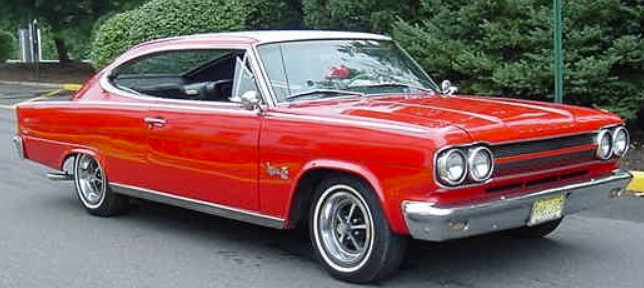
And the reason for the ‘humpback’ is IDENTICAL to the reason the first generation of the Panamera had the raised roof over the rear seats, according to Wiki. For the Marlin: “However, the roof was raised over the rear passenger area when Abernethy, who was six-foot-four, insisted on being able to sit in the back seat of the design studies.”
The Porsche head insisted on raising the roof over the rear seats of the Panamera so that he could fit according to Car and Driver: “A shock is the roominess of the back-seat area. Porsche boss Wendelin Wiedeking, a tall and substantial man, had barked about cramped headroom, so design chief Michael Mauer raised the roofline by 0.8 inch. Small as that sounds, it likely accounts for the awkward look to the Panamera’s rear quarters.”
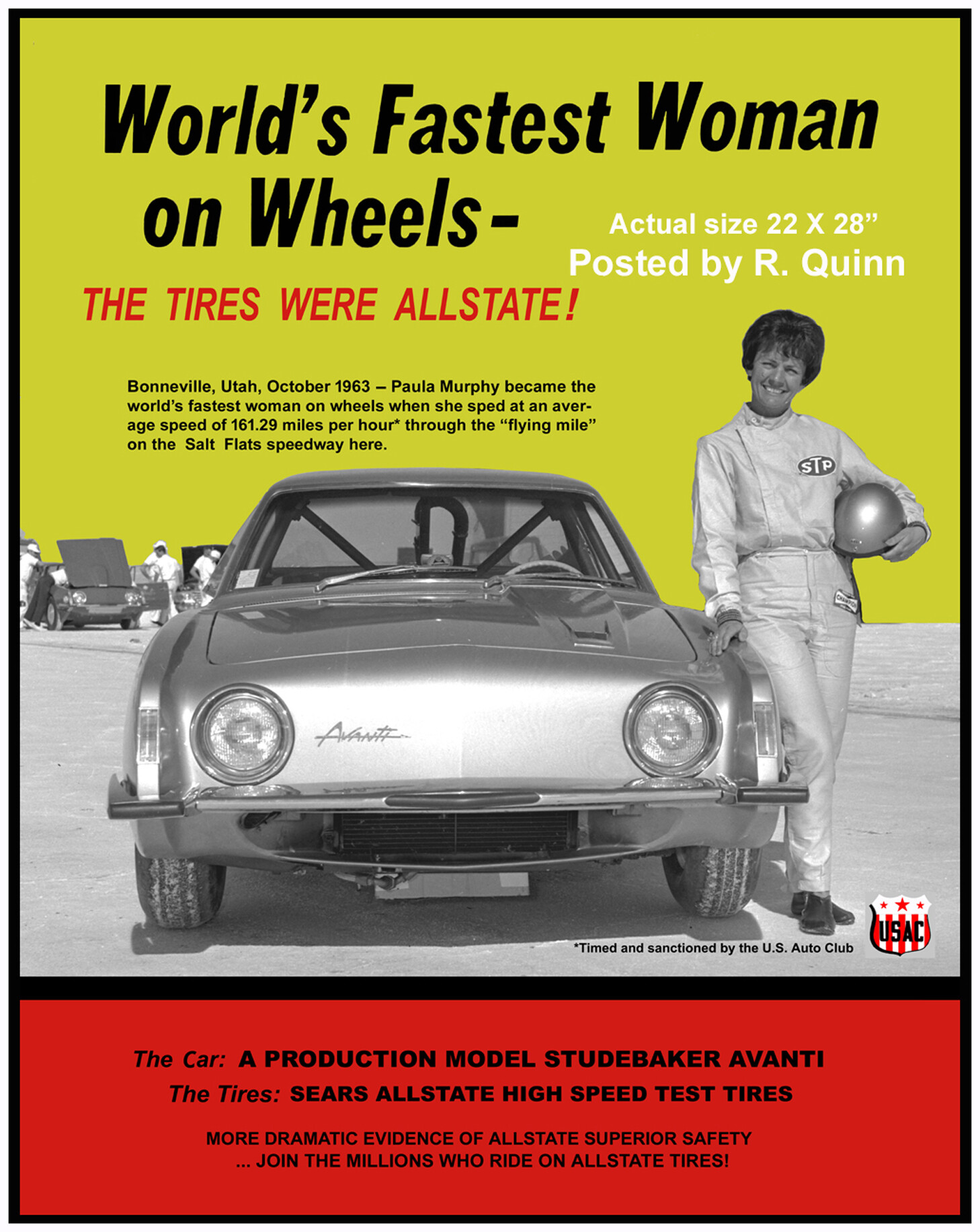
Studebaker did beat Ford to the “Mustang” market. Only it was already too late for them. The Avanti was a lot better looking than the Mustang too.
Yes, but the Avanti wasn’t cheap. They were competing with Thunderbird, rather than with Mustang.
They also had major manufacturing problems and couldn’t mass produce them even if they had orders for them. Didn’t look bad but the front end should have been changed instead of looking like a 58 Chevy hood. Water leaks etc. and having to hand fit body panels on each one. The twos used a Chevy engine and trans from what I gathered.
Dad had a lark for commuting and it was a good basic car. My G-o-d father had a studebaker car and truck for his plumbing business and they were solid vehicles, but there is more to being a successful auto manufacturer than that.
Avanti II had a 327 to start with, other chevy small blocks appearing layer. Alice Cooper had an Avanti restomodded on counting cars to be a regular driver.
“Better Looking” is in the eye of the beholder, cause to me the Studebaker Avanti was one bug eyed fugly car, not a bad side profile, but that plain bug eyed nose is just plain fugly.. IMHO… lol
But to each their own…
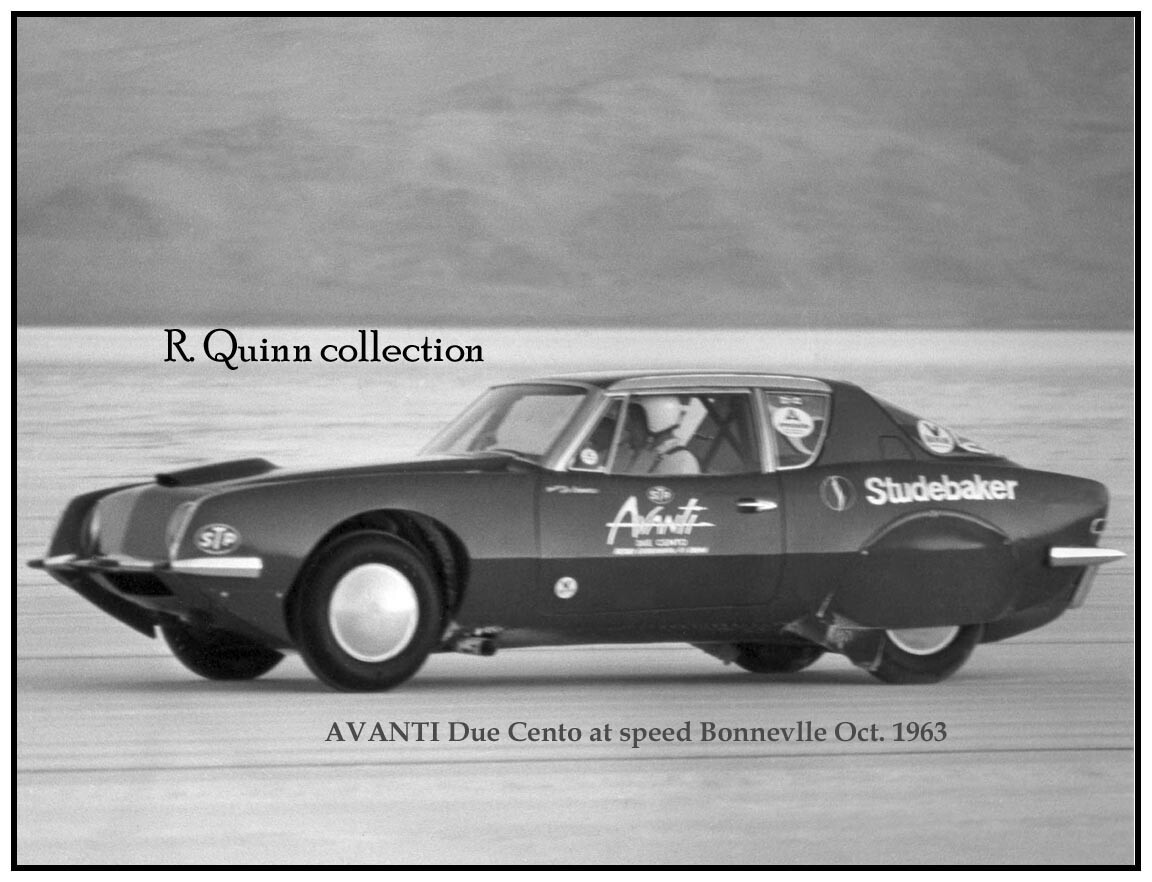
Did it have the nickname Uno Cento after that? 
Of course not. It was then dubbed…
Cento Novantasei!
Nope, the Avanti was more of a high performance, especially with the R3 engine, personal luxury car.
The Mustang was a low cost sporty car.
There was even an R4 engine available in 1964, but none were built before production ceased in South Bend. There was even an R5 (dual supercharged) engine in development, but that was never actually offered.
The one curious aspect of the Avanti’s equipment is the inclusion of standard front disc/rear drum brakes. Why didn’t they just use “superior” drum brakes all around?

This article explains the differences in the various Avanti engine choices:
Yep, as far as I know 304 CI is the maximum displacement that can be achieved with a Studebaker V8.
As noted the Avanti II’s (was that produced by Newman&Altman?) used Chevy 327s which along with good performance were lighter than the Studebaker engine.
All correct, as far as I know.
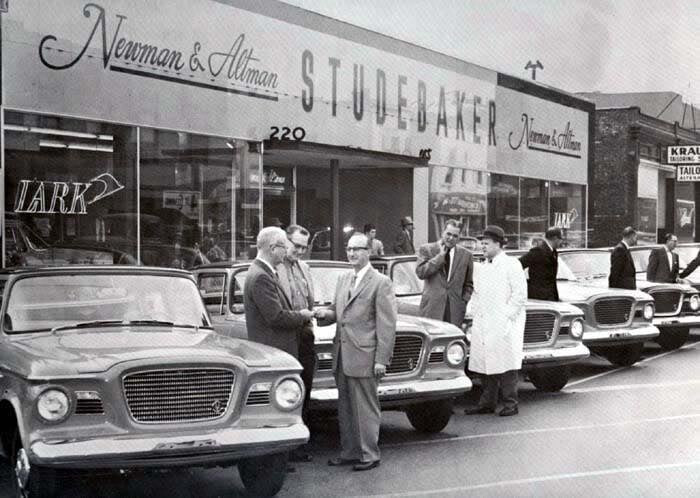
Newman & Altman was a large Studebaker dealership, located in the marque’s hometown of South Bend. They didn’t want the short-lived Avanti to be forgotten, so they bought the rights to the Avanti name, along with a huge stock of Stude parts, and then hired a small crew of former Stude employees to build the Avanti II. It was probably a good decision on their part, although it didn’t make them very wealthy.
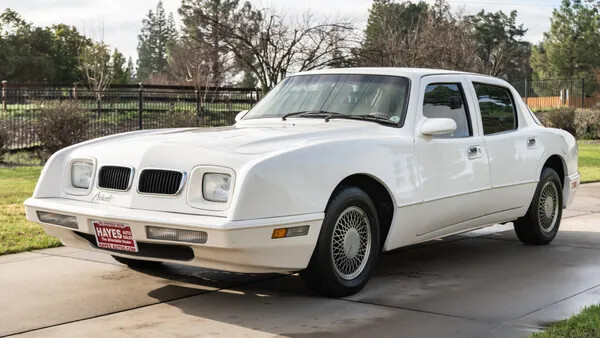
After Newman & Altman sold the company to their successor, build quality reportedly became really poor, and the last owners built 90 or so of these 4 door Avantis.

Now we are getting into why businesses fail and can’t seem to be able to pass it on to the next generation. Often we blame stodgy management or thenbean counters siphoning off the value. This morning a 70 year old remodeling company closed its doors. Bought out three years ago by a national remodeler. Our neighbors family invented a very popular carnival ride. The kids couldn’t keep it going and sold out. Same thing with a local truck and caster company. The kids had to sell it off. Fired their very talented plant manager for upgrading the foundry. National reputation for quality. Building is now a mosque. Whatever is being taught in business s school seem to be missing how to keep a company healthy.
Quite a few years ago, we had a specialty retailer in NJ that consistently beat everyone else’s prices on TVs and kitchen/laundry appliances. They were in business for over 50 years, and their sales volume was huge.
A couple of years after the founder died, his kids expanded to a couple more locations, and a few years after that, they sold-out to a Japanese conglomerate. The conglomerate apparently didn’t know how to run that type of business, and the whole operation went belly-up in a few years.
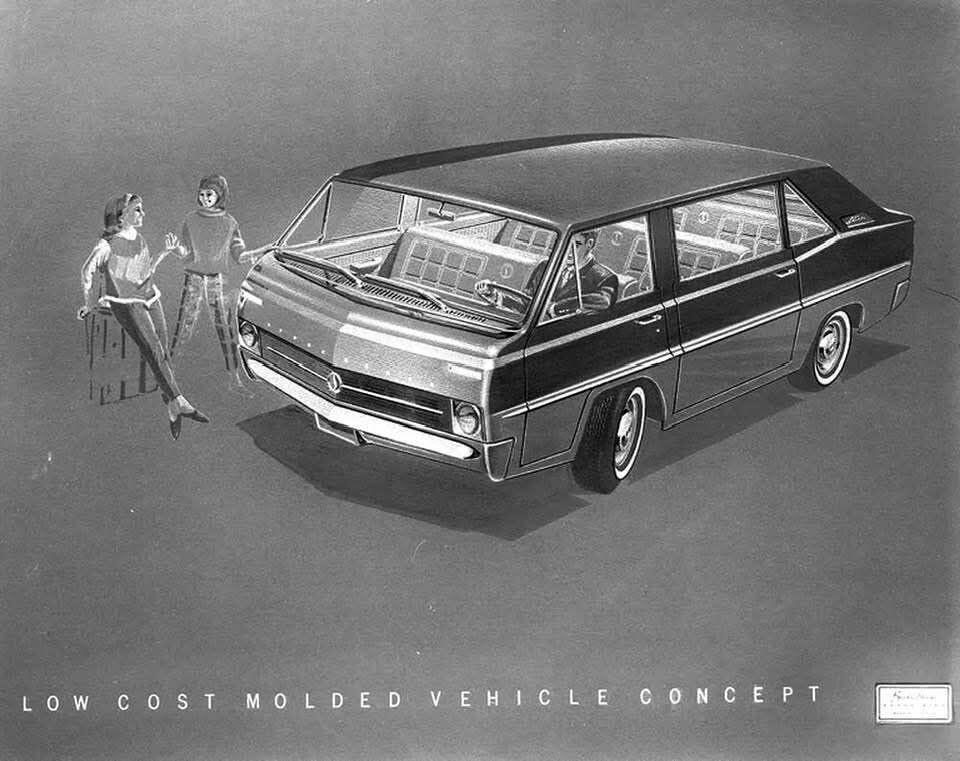
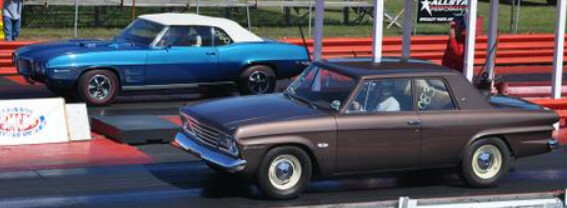
Here’s maybe the best-known high performance Studebaker, ‘Plain Brown Wrapper’:
George Krem’s 1964 Studebaker Challenger - American Torque .com